The primary mechanisms of action include: Enhancing glucose-dependent insulin secretion from pancreatic beta cells, which helps lower blood glucose levels when they are elevated Suppressing glucagon release from pancreatic alpha cells, reducing hepatic glucose production [1] [2] Slowing gastric emptying , which moderates the rate at which nutrients enter the bloodstream Promoting satiety through central nervous system pathways, leading to reduced caloric intake [1] [2] These medications are peptide-based (and one fusion protein) and are temperature sensitive
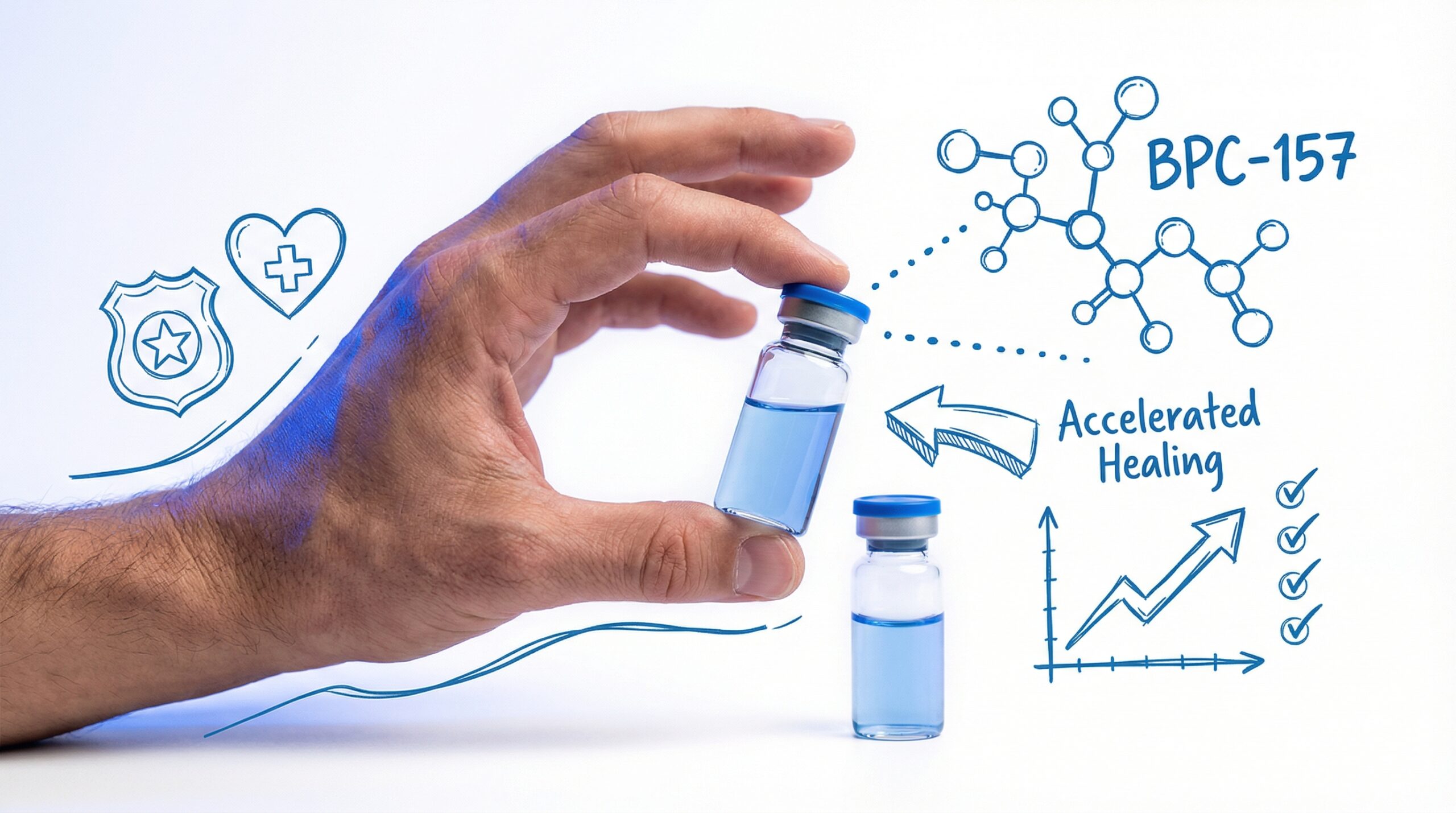
Doxorubicine-Congestive Heart Failure-Increased Big Endothelin-1 Plasma Concentration: Reversal by Amlodipine, Losartan, and Gastric Pentadecapeptide BPC157 in Rat and Mouse
Red or purple chromaturia is a side effect of hydroxocobalamin, typically resolving over several weeks.2 Additional causes of red urine include blood (e.g., traumatic catheterization, malignancy, infection), dietary ingestion (e.g., beets), and medications (e.g., rifampin, phenothiazines).3 Although benign and not warranting further evaluation by itself, hydroxocobalamin-induced discolouration of body fluids may interfere with colorimetric sensors
It's important to ensure proper hydration and consider adjusting the dosage if this side effect occurs [12]
Peptide effects on osteoblasts: Growth hormone peptides increase systemic IGF-1 which directly stimulates osteoblast proliferation and activity